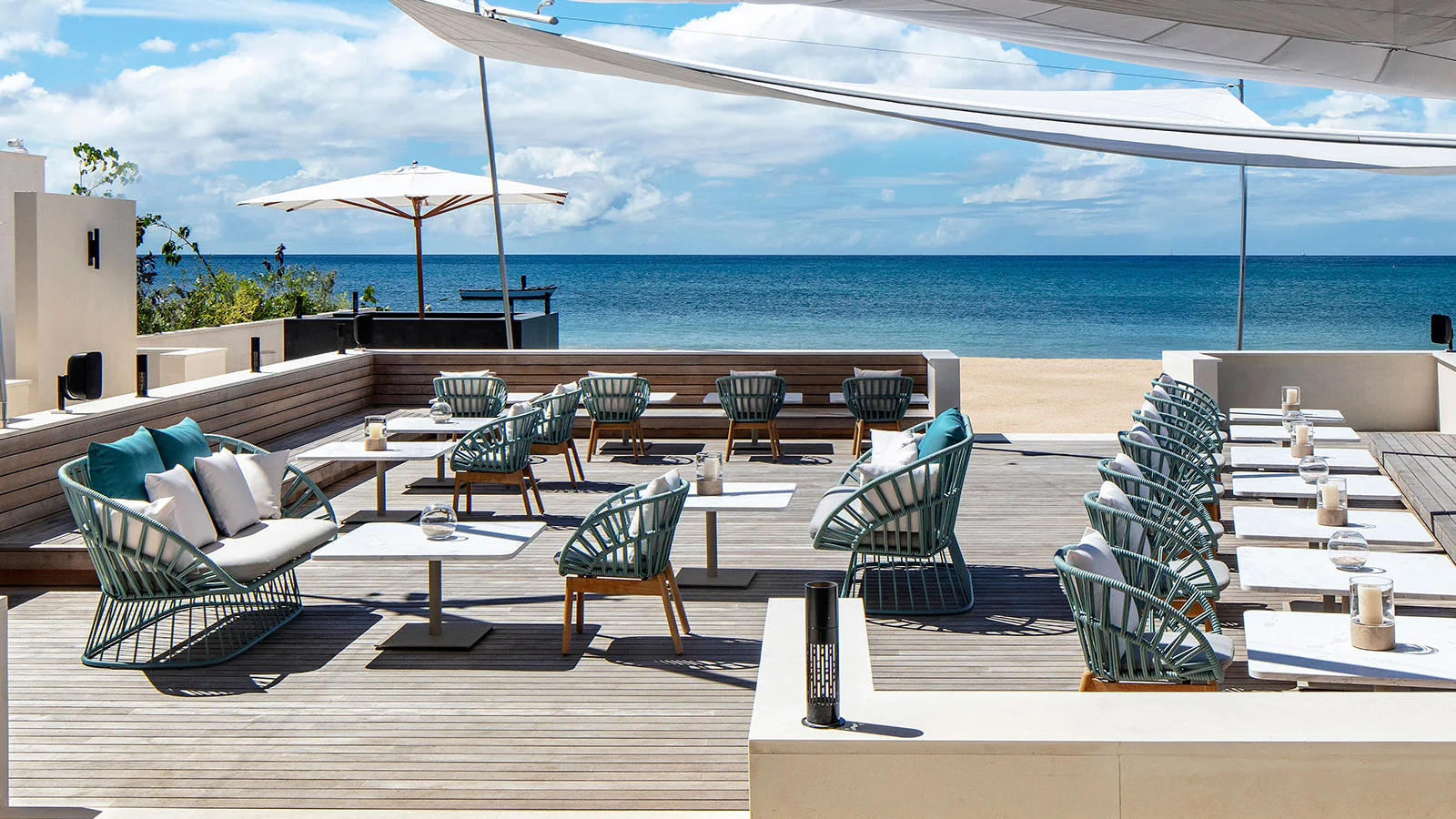
Material selection affects both the appearance and practical performance of furniture. For hotels, restaurants, and residential projects, different spaces have different requirements for durability, maintenance, and visual style. The choice of wood, metal, fabric, or composite materials can influence production methods, project budgets, and long-term use.
Before starting a furniture project, buyers usually need to consider how materials match the environment. A suitable choice should balance design expectations with daily usage conditions, helping furniture maintain its function while fitting the overall space concept.
Material Choices in Different Furniture Projects
Furniture materials are closely connected with the purpose of a space. In hospitality projects, guest rooms, restaurants, and public areas often require materials that can handle frequent use while maintaining a consistent appearance. The selection process should consider cleaning routines, traffic levels, and expected service time.
For residential projects, material decisions are often related to personal style and living habits. Homeowners and designers may focus more on texture, color, craftsmanship, and how furniture fits the interior design.
A professional custom furniture supplier can help buyers compare material features based on project requirements. Instead of choosing materials only by price, project teams can evaluate factors such as durability, processing difficulty, and maintenance needs.
For example, solid wood can create a natural texture and strong structure, while engineered materials may offer more flexibility for customized designs. Metal elements can improve structural support, and different upholstery options can influence comfort and appearance.
How Material Quality Affects Hospitality Furniture
Commercial furniture needs to meet different standards from ordinary household furniture. Hotels and restaurants operate for long hours, so furniture materials need to support regular use and daily maintenance.
Surface finishes are an important consideration in hospitality environments. Tables, cabinets, and other furniture pieces may experience repeated contact and cleaning. Suitable coatings and finishes can help maintain the appearance of furniture during regular operation.
BFP Furniture provides project-based furniture planning for hospitality environments. Their Hospitality Furniture Solution covers hotels, resorts, serviced apartments, restaurants, and offices, focusing on design coordination, commercial durability, and practical space requirements.
For hospitality buyers, material selection is not only about appearance. It also affects installation planning, replacement needs, and the overall management of the property after completion.
How Design Requirements Affect Material Decisions
Custom furniture projects often involve different design expectations. A luxury hotel may require refined finishes, while a restaurant may need materials that support efficient cleaning and frequent customer use.
Designers usually need to consider the relationship between material selection and furniture structure. For example, a large cabinet, dining table, or reception desk may require different material combinations compared with smaller decorative furniture.
BFP Furniture works with designers, contractors, and project teams to develop furniture according to specific space requirements. They support customized production for hospitality and residential projects while considering design details and practical application.
A complete custom furniture solution allows buyers to connect design ideas with manufacturing possibilities. This approach helps avoid choosing materials that look suitable but may not match the actual usage conditions.
Production Factors Behind Custom Furniture Manufacturing
Materials also influence production processes and project schedules. Some finishes require additional craftsmanship, while special materials may need more preparation before mass production.
For large projects, communication between manufacturers, designers, and contractors is important. Measurements, installation conditions, and space coordination should be reviewed before production to reduce adjustments later.
Material availability can also affect delivery planning. Buyers should discuss material options early because different choices may influence production time and quality inspection procedures.
BFP Furniture applies project management methods that include communication with clients and progress updates during production. This helps purchasing teams understand project stages and coordinate with their own schedules.
Long-Term Value of Different Furniture Materials
The initial cost of furniture is only one part of a project budget. Maintenance, replacement frequency, and expected service life also influence the overall value of a material choice.
For hotels and restaurants, selecting suitable materials can reduce unnecessary repairs and support stable daily operations. For residential spaces, the right materials can improve comfort and maintain the intended design style over time.
When evaluating options, buyers can work with a custom furniture supplier to understand the differences between materials and production methods. Clear communication helps teams make decisions based on actual project conditions.
Material selection should be reviewed together with design, function, and budget. A balanced choice can help furniture meet both visual goals and practical requirements.
Building Better Furniture Decisions Through Material Planning
Furniture materials influence more than cost. They affect durability, maintenance, production methods, and the experience of using a space. For different projects, the right choice depends on environment, design goals, and operational needs.
A thoughtful custom furniture solution helps connect material selection with the complete project plan. By reviewing materials before production begins, buyers can create furniture that fits the space while supporting long-term use.
Whether for hospitality spaces or private residences, careful material planning allows custom furniture projects to achieve a better balance between design value and practical performance.
