High-voltage and ultra-high-voltage (UHV) networks are frequently deployed across demanding geographical terrains, exposing infrastructure to coastal salt spray, extreme temperature shifts, and high physical wind loads. Ensuring mechanical stability and electrical continuity under these stressful conditions requires robust components. When utility operators and engineering, procurement, and construction (EPC) firms evaluate overhead infrastructure, specifying the correct electrical transmission line hardware fittings is essential to prevent line drops and premature system failures.
Enhancing Longevity with High-Performance Electric Power Fitting Designs
To survive corrosive or high-stress environments, an industrial-grade electric power fitting must be manufactured using high-strength materials, such as hot-dip galvanized steel, specialized aluminum alloys, or durable iron. Hot-dip galvanization provides a robust sacrificial zinc barrier, shielding the steel core against oxidation in high-humidity or industrial coastal zones. Furthermore, utilizing components fabricated with high-precision CNC machining ensures tighter dimensional tolerances, avoiding structural stress concentrations on critical connecting components like clevis plates, socket clevises, and extension links.
In addition to corrosion resistance, mechanical load ratings are critical. High-wind zones and heavy ice accumulation subject conductors to continuous physical vibration. Integrating vibration-damping devices, such as Stockbridge dampers or specialized damping spacers, alongside high-strength tension and suspension clamps preserves conductor structural integrity and prevents fatigue wear at connection points.
Strict Quality Verification for Harsh Service Conditions
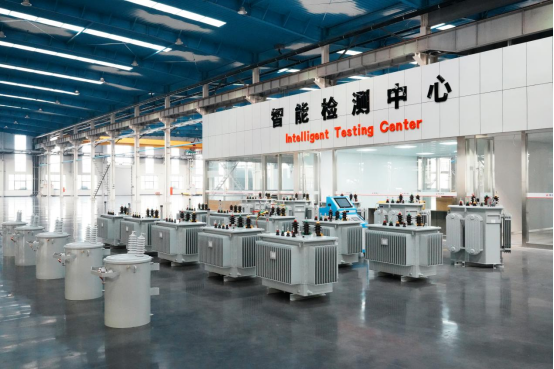
A reputable manufacturer verifies each production batch through rigorous physical testing. To qualify for severe-service projects, fittings undergo strict tensile strength verification, thermal cycle testing, and zinc coating thickness analysis. SH POWER, an experienced power infrastructure manufacturer, enforces ISO 9001-certified quality management across their large-scale manufacturing facilities. They validate all hardware fittings to global standards—including IEC, ANSI, and DIN—assuring reliable, field-proven performance under extreme operational conditions.
Conclusion
Selecting the appropriate electrical transmission line hardware fittings is a vital step in maintaining grid resilience in harsh environments. By prioritizing high-strength, precision-manufactured fittings and partnering with experienced suppliers like SH POWER, enterprises can significantly extend system service life, lower total cost of ownership, and minimize unexpected maintenance downtime.
