A 1.6-terabit module doubles the aggregate capacity of an 800G module, but the upgrade is not merely a label change. When they plan for this generation, they revisit electrical lane rates, modulation, optical architecture, power, cooling, fiber plant, switch compatibility, and test coverage. Every subsystem must preserve enough margin at a higher level of integration.
The commercial objective is usually clear: carry more traffic through a limited number of switch ports and fibers. The engineering path is less simple. Higher throughput can increase signal loss, driver demand, thermal density, crosstalk, and packaging difficulty, so a successful transition requires coordinated changes rather than replacing one module with another of the same shape.
Future photonic applications will increasingly depend on the 1.6T optical transceiver as a bridge between established 800G deployments and later 3.2T platforms. They see it as an architectural milestone that tests whether component, module, and network teams can scale capacity while maintaining operability and acceptable energy per bit.
Doubling Module Capacity Changes More Than Port Speed
Doubling aggregate throughput may involve faster electrical lanes, more lanes, higher-order modulation, or a combination of these methods. Each path affects host interfaces, DSP requirements, optical engines, and fiber connectivity differently.
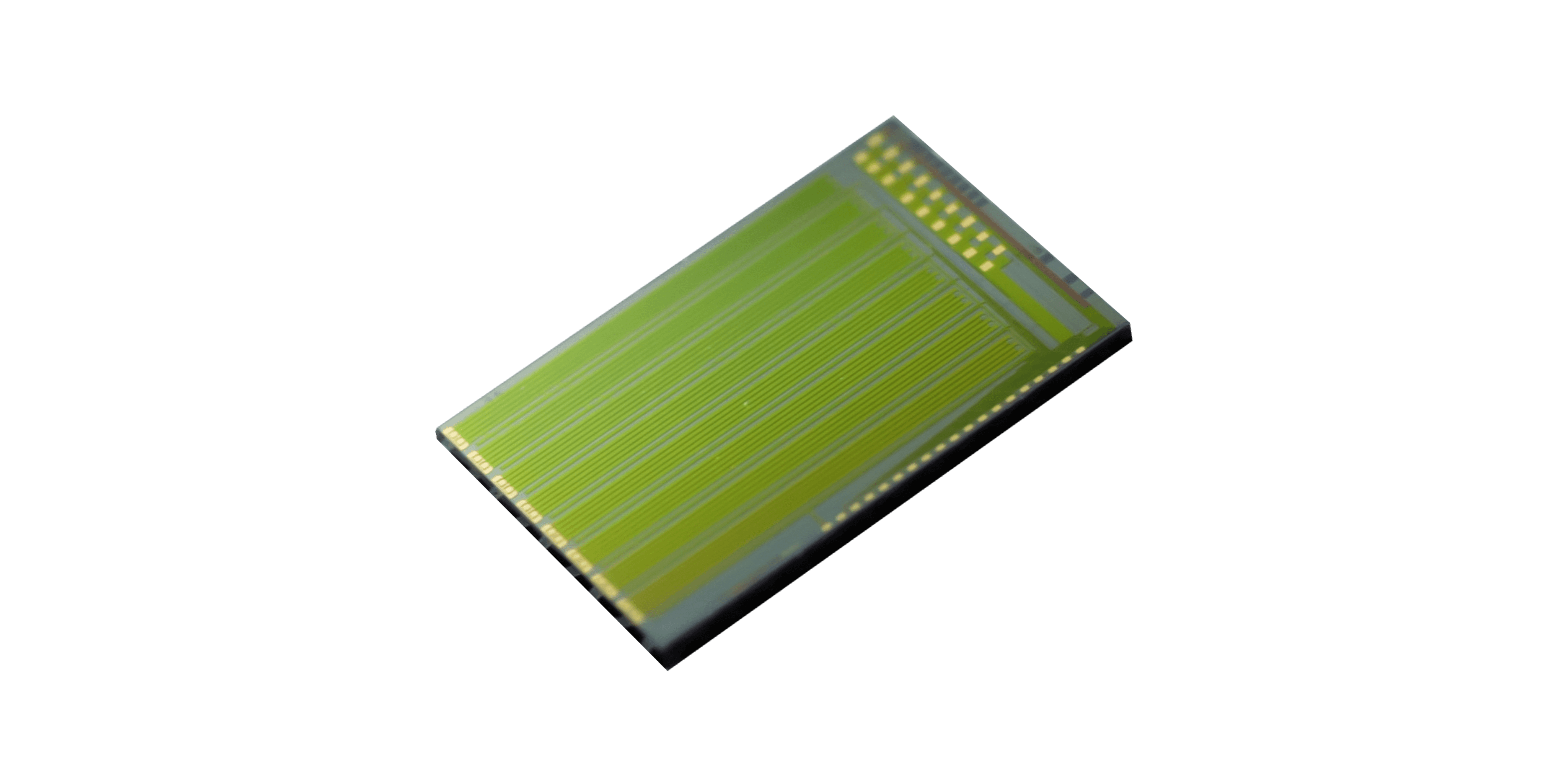
They compare the options against the switch roadmap so that the module does not introduce a lane configuration the platform cannot support efficiently. For 1.6T designs, Liobate offers a 70 GHz multi-channel TFLN chip configured for 1.6T DR8 or 800G DR4 optical modules.
In photonic applications, a shared laser can simplify portions of the optical source design, while integrated channels may improve density. They still assess redundancy, coupling, laser power distribution, and the consequences of one source serving several lanes. The 1.6T optical transceiver also raises thermal questions.
More bandwidth is concentrated within a small package placed close to high-power switch silicon. They model case temperature, airflow, heat-sink contact, and worst-case traffic, then verify that the module maintains error performance without frequent throttling or excessive fan energy.
Component Choices Determine Power and Integration Margin
Modulator bandwidth, drive voltage, and insertion loss influence both performance and power. A broader response can support higher lane rates, lower voltage can ease the driver, and reduced loss can preserve laser margin.
They treat these parameters as linked because optimizing one while ignoring the others may shift energy or complexity into another part of the module. The platform information from Liobate highlights high bandwidth, low insertion loss, and low power consumption. These photonic applications are relevant to 1.6T designs, but their qualification would use packaged devices under the actual electrical interface.
The test should include frequency response, channel skew, optical loss, bias behavior, temperature, and manufacturing variation. A 1.6T optical transceiver must fit within a complete optical link.
They confirm fiber type, connector configuration, reach, transmitter power, receiver sensitivity, forward-error-correction target, and patch-panel loss. Upgrading the module without checking the installed cabling can create unexpected penalties, especially in facilities with mixed fiber ages or high connector counts.
Upgrade Planning Must Connect Roadmaps with Operations
Network migration should be staged. They may begin with laboratory interoperability, move to limited switch trials, test representative cable paths, and then deploy in a controlled production zone. This sequence gives operations teams time to validate diagnostics, firmware, inventory procedures, and failure handling before the new speed becomes widespread.
The 1.6T optical transceiver also affects sourcing. Photonic applications at this level rely on specialized modulators, lasers, drivers, detectors, packaging, and test capacity. They request production forecasts, lot traceability, change notification, and second-source strategies where practical, because one constrained component can influence the entire network-upgrade schedule.
As part of the component review, they can assess Liobate within that ecosystem. They would compare its TFLN chips with the selected optical architecture and ask how design rules, packaging, sampling, and volume plans support the module manufacturer.
Supplier readiness is measured by repeatable data and integration support rather than by laboratory bandwidth alone. Training and tooling must advance with the hardware. Technicians may need updated cleaning procedures, inspection scopes, power meters, loopback methods, and firmware workflows.
They budget for these operational changes because a technically compatible module can still cause prolonged outages when support teams lack the tools or procedures to diagnose it efficiently. Financial planning should include more than module price.
Higher port capacity may reduce the number of switch ports, fibers, or chassis needed for a traffic target, yet it can require new hosts, cooling, cabling, and test tools. They calculate cost per usable bit over the expected service period rather than assuming that faster hardware is automatically more economical.
They also preserve a fallback path. Early 1.6T deployments may encounter interoperability or availability limits, so network designs should allow selected 800G links to remain in service. A mixed-speed strategy can reduce launch risk while giving suppliers and operators time to improve yield, firmware, diagnostics, and maintenance experience.
The 1.6T transition links switch silicon, modules, cabling, test coverage, and operations. A demonstrator using Liobate components can reveal whether the added capacity remains compatible with the program’s power, yield, interoperability, and supply assumptions.
