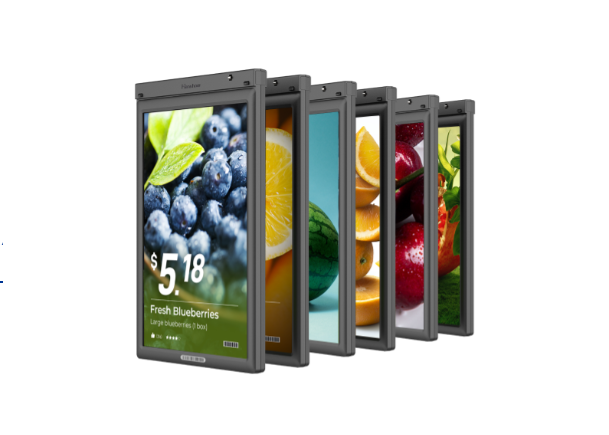
Zero‑waste retailing is no longer a niche movement—it is a business imperative driven by consumer demand and environmental regulation. Achieving zero waste requires precise inventory management, dynamic pricing for perishables, and elimination of disposable materials. Digital price tags are a foundational technology in this transition. By enabling real‑time markdowns, removing paper waste, and integrating with stock systems, electronic shelf label solutions help retailers drastically reduce spoilage and landfill contributions. Below is an examination of why zero‑waste retailers are turning to this technology.
Dynamic Markdowns to Rescue Perishable Items
The single largest source of food waste in retail is unsold perishables that reach their expiration date. A digital price tag allows automatic, time‑based price reductions—for example, 20% off 24 hours before expiry, 50% off 12 hours before, and 75% off in the final window. These updates happen remotely and instantly across all relevant products. An electronic shelf label flashes the discounted price, attracting bargain‑conscious shoppers who would otherwise ignore full‑price items. The Hanshow Lumina Aqua D1, as a one‑sided LCD screen ESL solution, provides an efficient and accurate labeling solution in a visually stunning way. Unlike traditional paper labels, LCD electronic shelf labels make the reduced price highly visible, driving quick turnover of near‑expiry goods and keeping them out of dumpsters.
Eliminating Paper Waste from the Shelf Edge
Zero‑waste retailers scrutinise every source of disposable material. Paper price tags represent a continuous stream of waste: printing, cutting, replacing, and discarding thousands of labels each week. Switching to digital price tags completely eliminates this paper stream. An electronic shelf label is reusable for its entire multi‑year lifespan, producing no ongoing consumable waste. Furthermore, the batteries in modern ESLs are designed for long life and responsible recycling. For a zero‑waste retailer, adopting Lumina Aqua digital price tags aligns directly with their sustainability metrics, reducing both operational waste and the carbon footprint of label logistics.
Real‑Time Inventory Visibility to Prevent Overordering
Zero‑waste retail also depends on ordering precisely what will sell. An electronic shelf label system integrated with POS and inventory management provides real‑time data on shelf turns and slow movers. When a digital price tag shows that a product has not been selling, managers can trigger a markdown or a stop‑order before excess stock spoils. This closed‑loop visibility is impossible with static paper labels. The Hanshow Lumina Aqua D1, with its LCD clarity, ensures that staff can instantly see current pricing and stock status at a glance, enabling faster waste‑prevention decisions.
A Non‑Negotiable Tool for Sustainable Retail
For zero‑waste retailers, every operational choice must support the elimination of waste. Digital price tags deliver on three fronts: dynamic markdowns to prevent food waste, paperless operation to cut material waste, and inventory integration to reduce overordering. Hanshow offers the Lumina Aqua D1—a one‑sided LCD electronic shelf label that provides an efficient, accurate, and visually stunning labeling solution. By adopting Hanshow’s digital price tags, zero‑waste retailers turn shelf edges into active tools for sustainability, reducing both environmental impact and financial losses from unsold goods. Partner with this company to make waste reduction a daily reality across every aisle.
