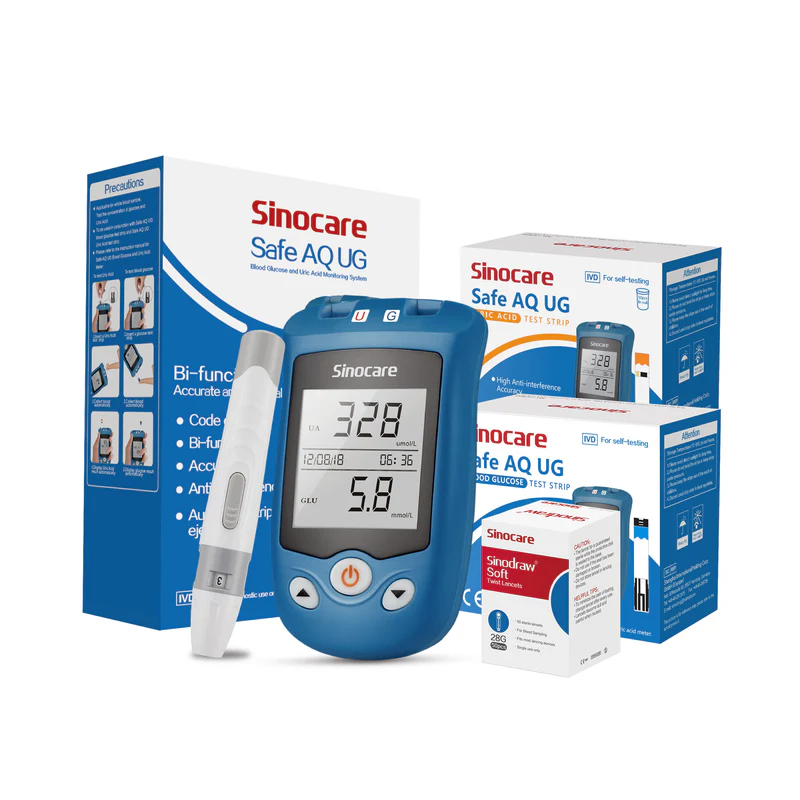
With the growing popularity of non-invasive or minimally invasive continuous glucose monitoring (CGM) technology integrated into smartwatches and wearable devices, many individuals are exploring the convenience of blood sugar monitor watches. However, regardless of the device type, ensuring the accuracy of your glucose readings is crucial for effective diabetes management. This guide outlines practical methods to verify the reliability of your blood sugar monitor watch, with reference to traditional fingerstick glucometers like the Sinocare blood sugar monitors as a benchmark for comparison.
Why Accuracy Testing is Essential
Blood sugar monitor watches often use interstitial fluid or sensor-based technology, which can have a slight physiological lag compared to capillary blood glucose levels. Regular accuracy checks help you trust the data trends and alerts provided by your wearable, ensuring that health decisions are based on reliable information.
Factors That Can Affect Accuracy
When testing, be mindful of variables that can skew results:
Physiological Lag: Interstitial fluid glucose (measured by many watches) lags behind blood glucose by 5-20 minutes, especially when levels are changing rapidly.
Sensor Location & Calibration: Ensure the wearable sensor is properly placed and calibrated if required by its design.
Hand Hygiene: For fingerstick comparisons, clean hands are essential to avoid contamination.
Using the Sinocare Blood Sugar Monitor for Accurate Readings
One of the notable features of the Sinocare blood sugar monitor is its user-friendly design. With adjustable penetration depth settings, users can achieve virtually pain-free lancing, which minimizes discomfort and skin damage. The device also employs one-handed priming for added convenience, allowing for fast and efficient testing.
Conclusion
While Sinocare blood sugar monitors offer unparalleled convenience and trend data, their accuracy should be periodically verified. Using a reliable, high-precision tool like the Sinocare blood sugar monitor for fingerstick comparisons provides a practical and trusted method for validation. By regularly cross-checking your wearable device, especially during routine health check-ups or when readings seem inconsistent, you can confidently integrate this modern technology into your personalized diabetes management plan. Always consult with your healthcare provider to interpret comparison results and determine the best monitoring strategy for your needs.
