Unplanned operational downtime severely disrupts production schedules across modern automated distribution centers and manufacturing plants. Partnering with a specialized belt fastener manufacturer allows facilities to implement standardized mechanical joint components that significantly streamline emergency repair workflows.
Quick emergency response relies on accessible repair hardware capable of restoring belt tension without requiring complex vulcanization equipment. Utilizing suitable stainless steel alloys can help mechanical repairs withstand demanding operational loads and environmental conditions.
Understanding the Mechanics of Emergency Joint Failures
Conveyor belts experience continuous dynamic stress, leading to localized wear, tearing, or splice separation along high-tension sections. Heavy shock loads and misaligned pulleys accelerate structural fatigue, forcing maintenance crews to perform rapid field interventions.
Traditional vulcanization methods require extensive prep work, curing time, and heavy heating equipment, extending system outages. Mechanical splice techniques bypass lengthy chemical curing, providing immediate structural integrity to damaged belt ends.
Mechanics of Modern Mechanical Fastening Systems
Implementing engineered belt fastening systems gives technicians standardized components designed for quick alignment and rapid installation. Standardized hook and staple designs allow maintenance crews to prepare and secure joint ends using portable hand tools or hydraulic clinchers.
Structured hardware arrangements reduce installation complexity, allowing staff to replace compromised segments within tight maintenance windows. Fast mechanical joining prevents prolonged bottlenecks across high-volume sorting lines. Predictable installation procedures can reduce variation in repair work, helping maintenance teams achieve more consistent results across different technicians and shifts.
Reducing Repair Windows Through Pre-Assembled Hardware
Pre-carded wire fasteners simplify tool loading, eliminating manual pin alignment steps during high-pressure repair scenarios. Products such as the Carded Wire Belt Fastener demonstrate how organized strip designs accelerate tool engagement and uniform clinching across wide belts.
Pre-assembled strips maintain precise spacing between individual wire hooks, preventing uneven strain distribution across the joint. Rapid loading mechanisms help technicians finish clinching operations faster during emergency shutdowns.
Impact of Low-Profile Fastener Geometry on Startup Times
Mechanical joint height directly dictates how smoothly repaired belt sections transition over pulleys, return rollers, and transfer plates. Low-profile mechanical hardware can help the joint pass smoothly over conveyor components such as rollers and scrapers, reducing interference during operation.
Minimized joint clearance protects drive motors and pulleys from sudden impact forces, avoiding secondary mechanical damage. Smooth transitions help facilities ramp belt speeds back to normal capacity immediately after completing a repair.
Adapting Heavy-Duty Fasteners to Extreme Working Loads
High-tension conveyor lines in bulk handling operations demand robust mechanical connectors capable of enduring severe pull forces. Heavy-duty mechanical joints utilize thick wire gauges and reinforced plates to retain structural grip on inner belt fibers.
Hardware like the INTAKE CR Series highlights how heavy-duty constructions combine stainless steel strength with galvanized corrosion resistance. Advanced material selection prevents joint pull-out, keeping high-capacity conveyors functional between scheduled maintenance overhauls.
Optimizing Maintenance Tooling for Field Efficiency
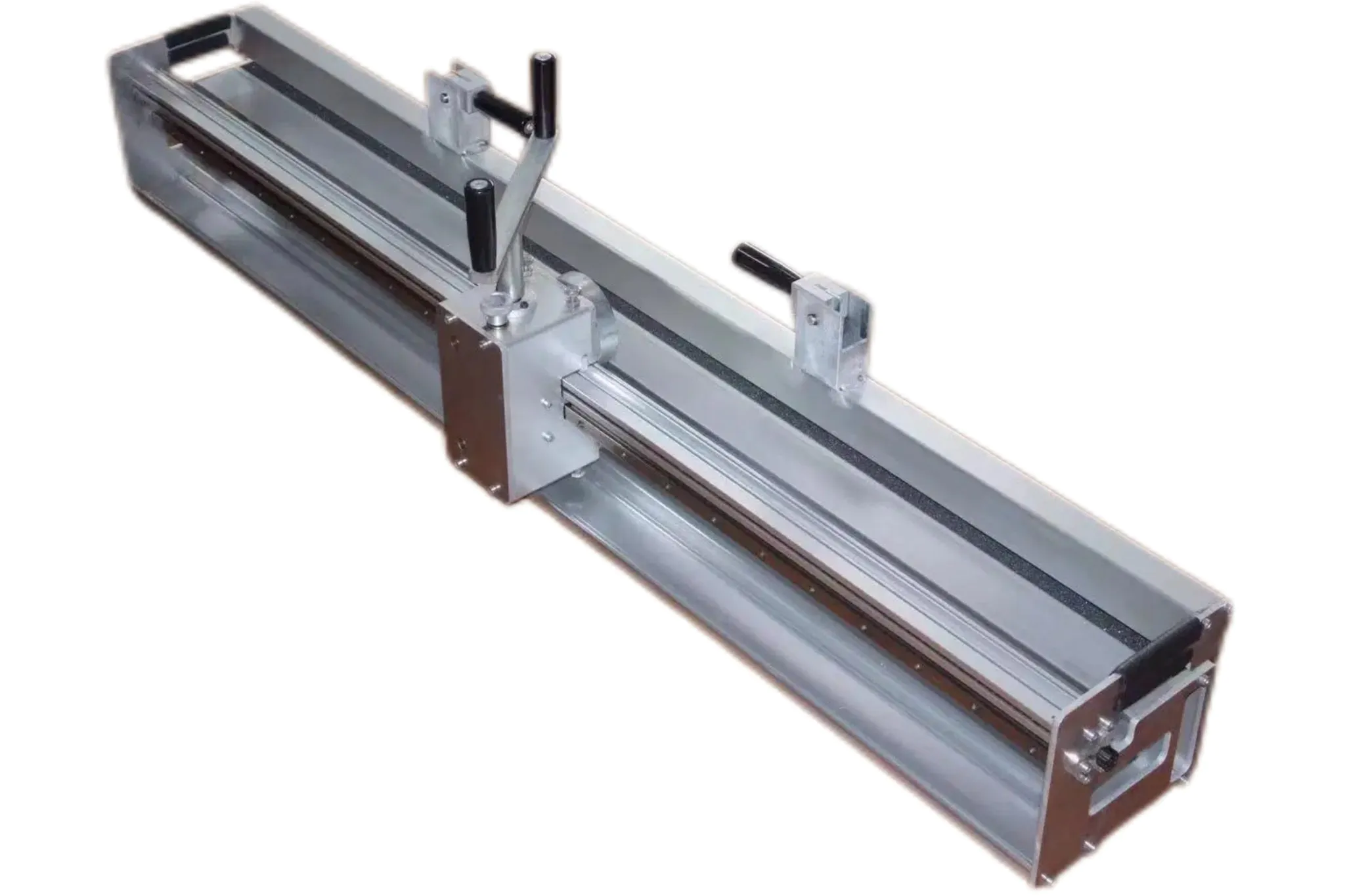
Field technicians require lightweight, durable installation machinery to execute consistent mechanical splices under challenging work conditions. Hydraulic and manual clinching devices compress wire fasteners uniformly into belting fabrics, creating strong mechanical interlocks.
Portable tooling minimizes setup time at the repair site, enabling technicians to handle emergency splices directly on the conveyor frame. Efficient tool operation reduces physical labor and ensures consistent joint quality across all repair shifts. Quick-change die sets and color-coded alignment guides further streamline the installation process, allowing less experienced team members to achieve professional-grade results with minimal supervision—reducing training time while maintaining splice integrity across the entire maintenance crew.
Mitigating Long-Term System Wear with Durable Materials
Frequent joint replacement increases total operational expenditure and diverts maintenance staff from preventive tasks. Industrial fasteners constructed from 304S and 316L stainless steel resist oxidation, chemical exposure, and abrasive wear over prolonged operational cycles.
Resistant alloys maintain structural shape under continuous friction, preventing pin erosion and premature loop failure. Durable materials reduce overall repair frequency, keeping material handling systems running efficiently.
Standardizing Procurement Strategies with Trusted Suppliers
Maintaining strategic inventories of mechanical fasteners and installation tooling ensures immediate readiness when unexpected belt failures occur. Global industrial facilities depend on established suppliers like Intake to provide versatile hardware options tailored to various belt thicknesses and application requirements. Well-chosen belt fastening systems can further shorten repair time by matching fastener strength to belt tension and operating conditions.
Relying on standardized hardware options simplifies inventory management and training for maintenance personnel. Having reliable components readily available empowers repair teams to address conveyor breakdowns with minimal delay. This procurement consistency also fosters stronger supplier relationships, enabling volume pricing advantages, priority order fulfillment, and faster technical support response when site-specific challenges arise—turning a basic supply chain into a strategic operational partnership.
Conclusion
Minimizing industrial conveyor downtime requires efficient mechanical joining strategies supported by robust hardware design. Facility managers streamline emergency repair response times and preserve continuous workflow by adopting standardized, easily installed mechanical joint solutions. A belt fastener manufacturer can supply these solutions, ensuring reliable performance and fast installation.
