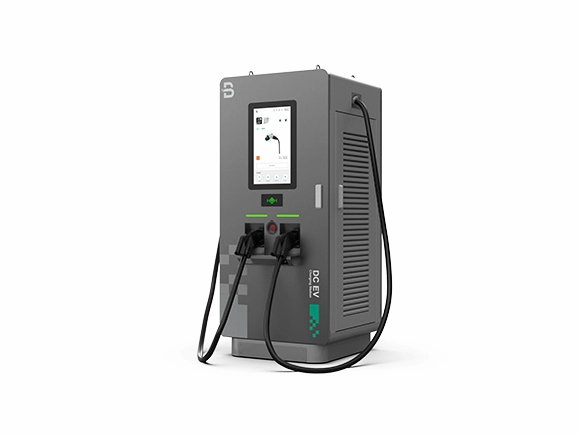
Businesses considering the installation of workplace EV charging stations often prioritize operational benefits. However, the technical and regulatory foundations of these systems are equally critical, particularly for insurance validation. Adherence to recognized safety standards is not merely a recommendation but a fundamental requirement. This article examines the specific certifications, namely UL and CE, that are essential for compliant workplace EV charging infrastructure and their direct relationship to insurability.
The Role of UL Certification in North America
In North American markets, UL listing is a pivotal safety benchmark for electrical equipment. For workplace EV charging stations, UL Standard 2594 covers the safety of electric vehicle supply equipment. Compliance demonstrates that the station’s construction has undergone rigorous evaluation for electrical shock, fire risk, and environmental durability. Insurers typically view UL-listed equipment as mitigating significant liability exposure. Therefore, selecting UL-certified hardware is a foundational step in deploying reliable EV charging solutions for your business.
Understanding CE Marking for European Compliance
For operations within the European Economic Area, the CE mark is legally mandated. This marking indicates conformity with EU health, safety, and environmental directives. For charging stations, this encompasses a range of assessments, including electromagnetic compatibility and low voltage safety. A CE-marked product allows for legal market placement and operation in Europe. From an insurance perspective, the use of non-CE-marked workplace EV charging stations could invalidate policies and expose the business to considerable risk.
Connecting Standards to Insurance Risk Mitigation
Insurance providers assess risk based on demonstrable due diligence. Documented compliance with UL or CE standards provides objective evidence that the workplace EV charging equipment meets established safety protocols. This documentation can be crucial during the underwriting process, potentially influencing premium calculations and coverage terms. It substantiates that the business has invested in verified EV charging solutions for your business, thereby reducing the insurer’s perceived risk of property damage or personal injury claims.
Conclusion
The integration of workplace EV charging stations necessitates a methodical approach to safety compliance. UL and CE certifications serve as critical indicators of product safety and regulatory conformity. For businesses, prioritizing these standards is a direct investment in risk management, forming a necessary basis for securing appropriate insurance coverage. EVB designs its EV charging solutions for your business with these compliance frameworks in mind, supporting a secure and insurable deployment.
