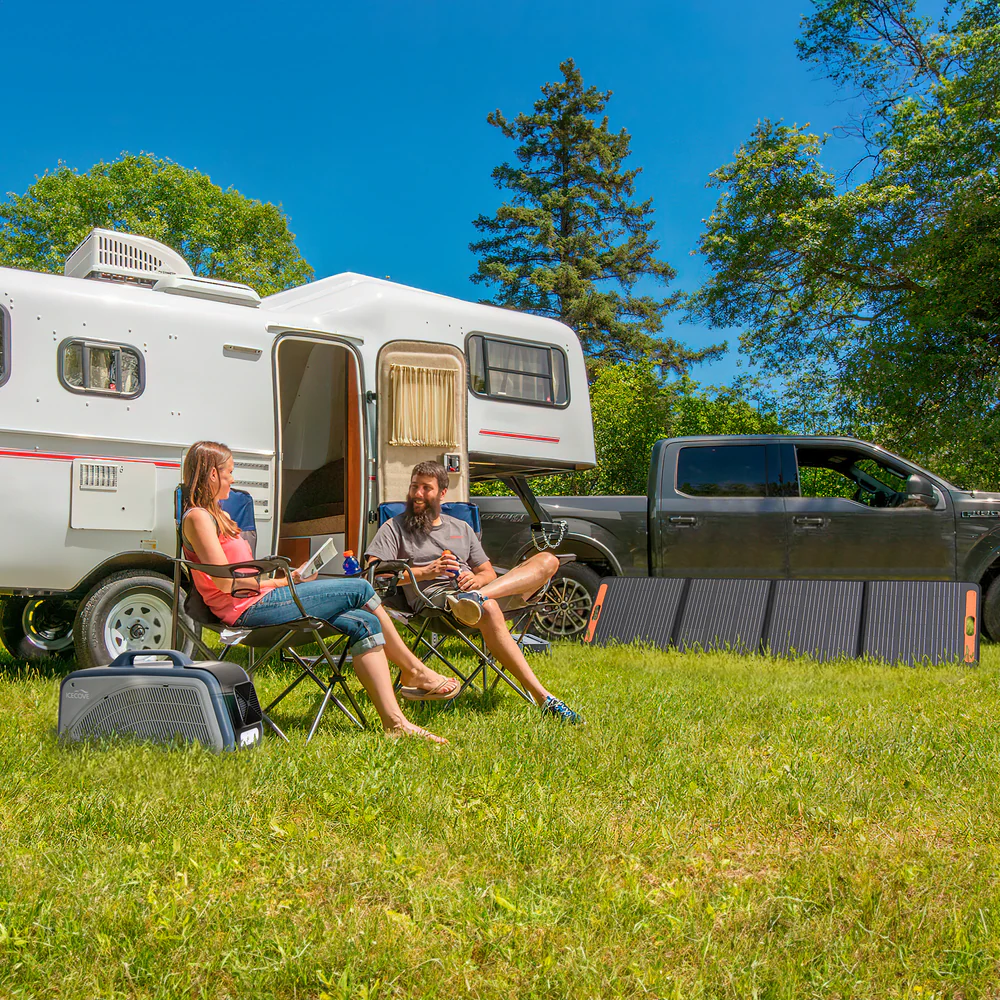
Using a portable outdoor air conditioner on camping trips, backyard gatherings, or remote job sites can make hot summer days more comfortable. However, powering such equipment away from standard electrical sources often raises questions. Many people ask how to power a portable outdoor air conditioner with a battery and whether this setup works well with units like the SUNJOY outdoor air conditioner series.
Understanding Power Needs for an Outdoor Air Conditioner
An outdoor air conditioner requires a consistent and sufficient power supply to run effectively. These units are designed to cool air by compressing and circulating refrigerant, then blowing the cooled air into your space. While household systems plug into standard AC outlets, portable versions can be more flexible. Still, they draw more power than simple fans or LED lights.
When considering battery operation, the key is matching the air conditioner’s power requirements with a suitable energy source. Most portable outdoor air conditioner models list their power draw in watts on the specifications label. The SUNJOY models are built to provide reliable cooling outdoors, but they still need substantial energy to function. Understanding these energy needs helps determine the right battery setup for your adventure.
Choosing the Right Battery System
To power a portable outdoor air conditioner with a battery, you need a battery system capable of delivering sufficient voltage and amperage. Deep cycle batteries, like those used in marine applications or RV systems, are better suited for continuous loads than standard car batteries. These batteries are designed to be discharged and recharged repeatedly without damage.
Another option is a portable power station equipped with a pure sine wave inverter. These units convert the DC power stored in the battery into AC power that mimics a household electrical outlet. A pure sine wave inverter is more compatible with sensitive electronics and appliances than a cheaper modified sine wave inverter.
Choosing a battery with enough capacity is essential. Battery capacity is measured in watt-hours. The higher the watt-hour rating, the longer a portable outdoor air conditioner can run. Before buying, calculate how many hours you want to cool your space. Multiply the air conditioner’s wattage by the number of hours you intend to run it and compare this with the battery’s watt-hour rating. This simple calculation gives a realistic sense of what you need.
Connecting a Portable Outdoor Air Conditioner to a Battery
Once you have the right battery system, setting up power for your outdoor air conditioner is straightforward. If you use a portable power station with built-in outlets, simply plug the SUNJOY outdoor air conditioner into the AC outlet just as you would at home. Ensure the battery has enough charge and the air conditioner is turned off before connecting.
If your battery setup requires an external inverter, connect the deep cycle battery to the inverter with appropriate cables. Make sure all connections are secure and that the inverter’s power rating exceeds the air conditioner’s peak draw. After the inverter is powered up, plug the portable air conditioner into the inverter’s outlet. Monitor battery levels to avoid unexpected shutdowns.
Tips for Efficient Battery Use
Running a portable outdoor air conditioner from a battery requires thoughtful energy management. Use shade or natural airflow to reduce cooling demand. Operating the air conditioner during cooler parts of the day and night can also extend battery life.
Conclusion
Powering a portable outdoor air conditioner with a battery is possible with the right equipment and preparation. Selecting a battery with sufficient capacity, pairing it with a pure sine wave inverter, and understanding your air conditioner’s power needs are key steps. A SUNJOY outdoor air conditioner paired with a thoughtfully designed battery system can help you enjoy outdoor comfort whether you are camping, hosting friends, or relaxing on a warm evening outdoors.
